


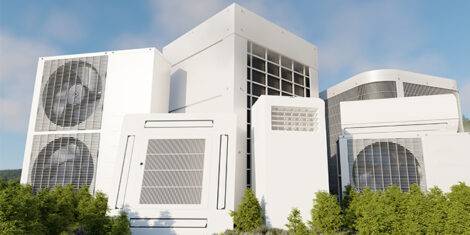
Choosing the right cooling system has a big impact on comfort, efficiency, and long-term costs. Central air conditioning and ductless mini-splits are two popular options, but the best choice depends on your home’s layout, existing ductwork, and cooling needs.
Since 1944, Carey & Walsh Heating & Air Conditioning has helped homeowners across Westchester, Rockland, Putnam Counties, and nearby New Jersey select cooling systems that fit their homes and lifestyles. Here’s a clear comparison to help you decide which option is right for you.
How Central Air Conditioning Works
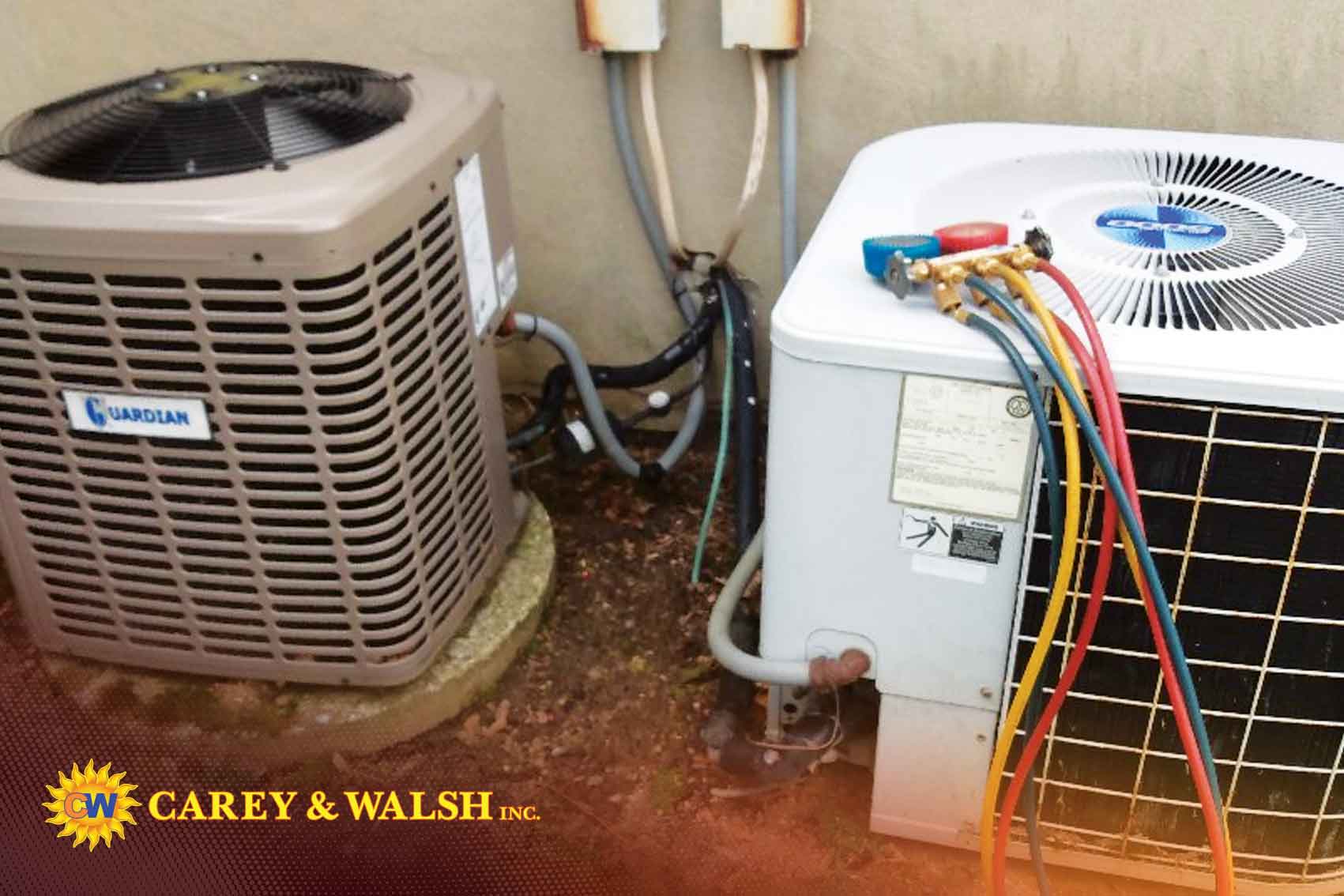
Central air conditioning uses a single outdoor unit connected to an indoor coil and a network of ducts to distribute cool air throughout the home. It’s commonly paired with existing ductwork and controlled by a central thermostat.
Benefits of Central Air
Central air is a strong choice for many homes, especially those with existing duct systems. Benefits include:
- Even, whole-home cooling
- Simple temperature control from one thermostat
- Quiet operation inside the home
- Lower upfront cost when ducts already exist
Homeowners interested in this option can learn more about professional central AC installation at https://careyandwalsh.com/cooling/ac-installation/.
Considerations for Central Air
While central air works well in many homes, it may not be ideal if ductwork is outdated, leaky, or nonexistent. Duct losses can reduce efficiency, and installation costs increase when new ducts are required.
How Ductless Mini-Split Systems Work
Ductless mini-splits use an outdoor unit connected to one or more indoor air handlers mounted in individual rooms or zones. Each zone can be controlled independently, offering customized comfort.
Benefits of Ductless Mini-Splits
Ductless systems are known for efficiency and flexibility. Advantages include:
- Zoned cooling with individual temperature control
- High energy efficiency
- No ductwork required
- Ideal for additions, older homes, or converted spaces
Carey & Walsh is a Mitsubishi Diamond Contractor, offering expert installation of advanced ductless systems.
Considerations for Ductless Systems
Ductless units are visible inside the home and typically have a higher upfront cost per zone. However, their efficiency and targeted cooling can offset these costs over time.

Central Air vs. Ductless: A Side-by-Side Comparison
Best for Homes With:
Central Air:
- Existing ductwork
- Larger homes needing whole-house cooling
- Preference for a single thermostat
Ductless Mini-Splits:
- Homes without ducts
- Room additions or finished basements
- Need for zoned temperature control
Energy Efficiency
Ductless mini-splits are generally more efficient due to the absence of duct losses. Central air systems can still be very efficient when properly sized, installed, and maintained.
Routine air conditioning maintenance helps both systems perform at their best. Learn more at https://careyandwalsh.com/cooling/ac-maintenance/.
Installation and Long-Term Costs
Central air tends to have a lower upfront cost when ductwork already exists, while ductless systems may cost more initially but offer long-term energy savings and flexibility.
A professional evaluation ensures your system is properly sized and installed for maximum efficiency and comfort.
Which System Is Right for Your Home?
The best cooling system depends on:
- Your home’s layout and size
- Existing ductwork
- Comfort preferences
- Budget and efficiency goals
An experienced HVAC professional can help you compare options and choose the right solution.
Trust Carey & Walsh for Expert Cooling Solutions
Carey & Walsh Heating & Air Conditioning has been family-owned and operated since 1944, proudly serving homeowners and businesses throughout the Hudson Valley and nearby New Jersey. We’re a Mitsubishi Diamond Contractor, York Dealer, and an A+ BBB–rated company known for honest recommendations and expert installation.
Schedule a Cooling System Consultation
If you’re considering central air or ductless mini-splits, Carey & Walsh can help you make a confident, informed decision.
Contact Carey & Walsh Heating & Air Conditioning today to schedule a consultation. Visit https://careyandwalsh.com/contact/ to get started.
Which One Suits a Westchester House?
The honest answer depends far less on preference than on what your house will physically accept.
Central air makes sense when you already have ductwork in reasonable condition, or the house has usable chases, closets or attic runs to put it in. It gives you one system, one thermostat, hidden equipment, and easy integration with whole-house filtration or humidity control.
Ductless makes sense when the house has no ducts and no sympathetic way to add them — which describes a great deal of Westchester’s pre-war housing. Tall narrow river-town homes, 1920s Tudors with plaster walls, and downtown condos and co-ops all fall into this category. It also suits additions, converted attics and finished basements the original system was never sized to reach.
One thing worth knowing: because we fabricate our own ductwork in-house, conventional systems fit in more older homes than people expect. Contractors without a sheet metal shop are limited to standard sizes, which is why “you can’t duct this house” is sometimes a limitation of the contractor rather than the building.
Disruption, Zoning and Running Costs
- Installation disruption. Ductless needs a small penetration per indoor unit and a line set run to the outdoor unit — modest, and usually completed in a day or two. Retrofitting ducts into a finished house is a bigger intervention, though far less than most people assume when there is attic or closet space to work with.
- Zoning. Ductless is zoned by nature — each indoor unit is controlled independently, so you are not cooling empty bedrooms. Central air can be zoned, but it needs to be designed that way rather than added later.
- Running cost. Ductless avoids duct losses entirely, which matters most where ducts run through unconditioned attics or crawlspaces. Where ductwork is sealed and inside the envelope, that advantage narrows considerably.
- Appearance. This is the real objection to ductless, and it is legitimate. Wall units are visible. Ceiling cassettes and floor-mounted units are less obtrusive and worth asking about if a wall unit would bother you.
They Both Heat, Too
Worth factoring in before you decide: a ductless system is a heat pump, and modern cold-climate models hold useful capacity well below freezing. That can change the arithmetic — a single system covering both seasons, or one that carries the milder two-thirds of the heating season while your existing boiler or furnace handles genuine cold.
Our heat pump page covers where that works in a Westchester home and, just as importantly, where it does not.
Not sure which way to go? Estimates are free. Call 914-762-9600 and we will look at the house before recommending anything.