



Winter in Briarcliff Manor can bring freezing temperatures and unexpected cold snaps that put your HVAC system to the test. Proper protection and maintenance for your HVAC system during these extreme conditions are essential to keep your home comfortable and prevent costly repairs. This guide from Carey and Walsh Inc. offers steps to safeguard your system and maintain warmth in your home throughout the season.
Table of Contents
| Section | Overview |
| 1. Understanding the Impact of Cold Snaps on HVAC Systems | Describes how cold temperatures affect HVAC performance. |
| 2. Essential HVAC Maintenance Before Winter | Outlines preventive steps to prepare your system for extreme cold. |
| 3. Adjusting Thermostat Settings for Efficiency | Offers thermostat tips to maintain comfort without overworking your system. |
| 4. Preventing Frozen Pipes and Blocked Vents | Shares methods for keeping HVAC components free of ice and blockages. |
| 5. DIY Tips for Keeping Your HVAC System Running Smoothly | Details simple steps you can take to prevent winter-related issues. |
| 6. Fun Facts About Winter HVAC Usage | Provides interesting facts on winter HVAC demands and operation. |
| 7. FAQ: Protecting Your HVAC System in Winter | Answers common questions about HVAC care during extreme cold. |
| 8. Ensuring Comfort All Winter with Carey and Walsh Inc. | Wraps up with a call to action to contact Carey and Walsh for support. |
Glossary of Terms
| Term | Definition |
| HVAC | Heating, Ventilation, and Air Conditioning – a system for regulating indoor temperatures. |
| Cold Snap | A sudden drop in temperature that can put strain on HVAC systems. |
| Heat Pump | A system that transfers heat from a colder area to a warmer one, particularly useful in mild winters. |
| Thermostat | Device that controls HVAC systems based on preset temperature settings. |
| Air Ducts | Pathways used to distribute heated or cooled air throughout the home. |
| Filter | Component that removes contaminants from the air, improving air quality and system efficiency. |
| Frozen Pipes | Pipes that freeze during extreme cold, which can lead to blockages and water damage. |
| Defrost Mode | A feature in some HVAC systems that prevents ice from building up on components. |
| Winterization | Preparing HVAC and home systems to handle cold weather conditions. |
| Efficiency | How effectively an HVAC system uses energy, impacting utility bills and system lifespan. |
1. Understanding the Impact of Cold Snaps on HVAC Systems
Cold snaps can have significant effects on HVAC systems, especially when temperatures drop suddenly. HVAC units, particularly heat pumps and older furnaces, may struggle to keep up with the increased demand, leading to potential strain on the system. Without proper maintenance, your HVAC system could experience reduced efficiency or, worse, sudden breakdowns. Understanding these effects is the first step in ensuring your home remains comfortable and protected.
2. Essential HVAC Maintenance Before Winter
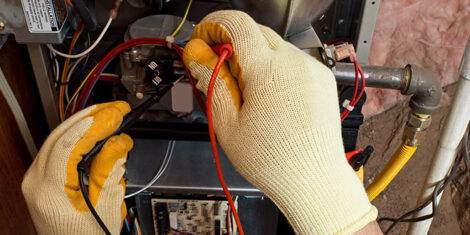
Preparing your HVAC system for winter is crucial, especially in anticipation of cold snaps. Professional maintenance includes inspecting your system for wear and tear, replacing air filters, and checking for any component issues. These steps not only improve efficiency but also reduce the chances of unexpected malfunctions during extremely cold days.
- Filter Replacement: Clean filters improve airflow and prevent dust buildup.
- System Inspection: Technicians check components to ensure your unit is ready for winter demands.
- Thermostat Calibration: Ensures accurate temperature settings, helping maintain energy efficiency.
For more details on heating system maintenance, visit this page.
3. Adjusting Thermostat Settings for Efficiency
During a cold snap, it can be tempting to set your thermostat at a high temperature, but this can overwork your HVAC system. Instead, keep your thermostat at a consistent, moderate temperature to balance comfort and efficiency. Lowering the temperature slightly during nighttime hours and using programmable thermostats can also help manage energy usage.
- Optimal Daytime Temperature: Around 68°F to ensure warmth without overburdening the system.
- Nighttime Adjustments: Lowering the temperature by 3-5 degrees can help conserve energy without losing comfort.
4. Preventing Frozen Pipes and Blocked Vents
Frozen pipes and blocked vents are common winter problems that can disrupt HVAC performance. To prevent this, ensure that vents and air ducts are clear of snow or ice, and consider insulating pipes in colder areas of your home. Keeping a low-level heater near pipes or using heat tape on exposed pipes can further protect them from freezing.
| Potential Winter Problems | Prevention Methods |
| Frozen Pipes | Insulate pipes and maintain a steady indoor temperature. |
| Blocked Vents | Clear snow and debris from exterior vents and ducts. |
| Heat Pump Icing | Run defrost mode or clear ice manually if necessary. |
5. DIY Tips for Keeping Your HVAC System Running Smoothly
In addition to professional maintenance, here are some simple DIY tips to help your HVAC system run effectively during cold snaps:
- Clear Snow from Outdoor Units: If you have a heat pump, clear any snow or ice buildup on the exterior unit.
- Seal Drafts in Doors and Windows: Prevent cold air from entering and warm air from escaping.
- Change Filters Monthly: Fresh filters keep airflow optimal and reduce the risk of clogs.
- Inspect the Thermostat Regularly: Ensure it’s functioning correctly to maintain consistent heating.
6. Fun Facts About Winter HVAC Usage
- Heating systems can lose up to 10% efficiency for each degree below freezing if they’re not properly maintained.
- The coldest recorded temperature in Briarcliff was a frigid -12°F—definitely a strain on any HVAC system!
- Keeping your thermostat at a moderate temperature during cold snaps can reduce energy costs by up to 15%.
7. FAQ: Protecting Your HVAC System in Winter
Frequently Asked Questions
- How often should I clear snow from my outdoor unit? After every snowfall or whenever you see snow or ice buildup on the unit.
- Is it okay to set my thermostat high during a cold snap? It’s best to keep it consistent to avoid straining the system and wasting energy.
- How can I prevent my pipes from freezing? Insulate pipes and keep your home heated to a consistent temperature.
- What’s the best way to keep my system efficient in winter? Schedule regular maintenance and clear filters and vents.
- Can cold snaps cause my HVAC to break down? Without maintenance, yes; extreme cold increases strain on HVAC systems.
- How does a programmable thermostat help during cold weather? It allows you to set efficient temperatures based on your schedule, reducing energy use.
- What should I do if my heat pump freezes? Run the defrost mode, or contact a professional if icing continues.
- Should I cover my outdoor unit during winter? It’s generally unnecessary and can restrict airflow, leading to overheating.
8. Ensuring Comfort All Winter with Carey and Walsh Inc.
Facing winter cold snaps in Briarcliff doesn’t have to be a challenge. By preparing your HVAC system and following preventive tips, you can enjoy a warm, cozy home all season long. Trust Carey and Walsh Inc. to help you with expert heating services, maintenance, and repairs. Contact us today for all your winter HVAC needs and stay ahead of the cold weather!