


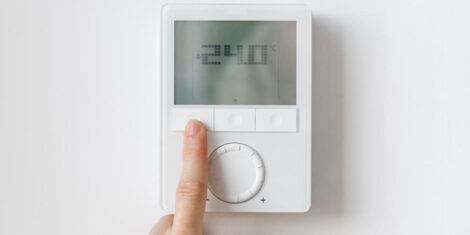
An accurately calibrated thermostat is key to ensuring your air conditioning system runs efficiently and keeps your home comfortable. However, many homeowners overlook the importance of this simple yet crucial task. In this blog, we will delve into why thermostat calibration is essential, how to recognize if your thermostat needs calibration, and the steps you can take to ensure it functions correctly.
You will also learn about the benefits of professional calibration and preventive measures to maintain your thermostat’s accuracy.
By the end of this blog, you’ll understand why calibrating your AC thermostat is a small effort that can lead to significant savings and enhanced comfort.
What is AC Thermostat Calibration?
AC thermostat calibration involves adjusting your thermostat to ensure it accurately reads and controls the temperature of your home. This process ensures that the temperature displayed on your thermostat matches the actual temperature in your living space.
How It Works:
- Temperature Sensor Check: The thermostat’s internal temperature sensor is checked and adjusted to reflect the true room temperature.
- Offset Adjustment: If there’s a discrepancy between the displayed temperature and the actual room temperature, an offset adjustment is made.
- System Synchronization: The thermostat is synchronized with your HVAC system to ensure accurate communication and performance.
Proper calibration of your thermostat means that when you set it to a specific temperature, your AC system responds correctly, maintaining your desired comfort level.
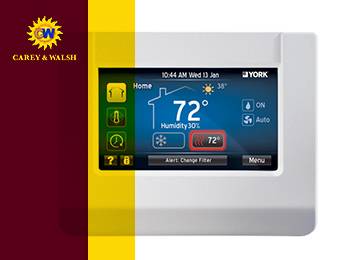
Why Thermostat Calibration Matters
- Ensures Accurate Temperature Readings: A miscalibrated thermostat can give false temperature readings, causing your AC to either overwork or underperform. This can lead to uncomfortable living conditions and unnecessary wear on your HVAC system.
- Improves Energy Efficiency: When your thermostat accurately reflects the room temperature, your AC system operates more efficiently, using less energy to maintain your desired comfort level. This can result in lower energy bills.
- Enhances Overall Comfort: Accurate temperature readings ensure your home stays at a consistent, comfortable temperature. This is particularly important during extreme weather conditions when maintaining a steady indoor environment is crucial.
- Reduces Wear and Tear on Your AC Unit: When your AC system doesn’t have to work harder than necessary, it experiences less strain. This reduces the likelihood of breakdowns and extends the lifespan of your equipment.
Proper thermostat calibration is a simple yet effective way to optimize your AC system’s performance, save on energy costs, and ensure a comfortable living environment.
Signs Your Thermostat Needs Calibration
- Inconsistent Temperatures: If you notice that some rooms in your home are consistently warmer or cooler than others, it could be a sign that your thermostat is not accurately reading the temperature.
- Higher Energy Bills: An uncalibrated thermostat can cause your AC system to run longer than necessary, leading to higher energy consumption and increased utility bills.
- Frequent Cycling of the AC Unit: If your AC unit is turning on and off frequently, it may indicate that the thermostat is not correctly sensing the room temperature, causing it to cycle unnecessarily.
- Unresponsive Thermostat: If you adjust the temperature setting on your thermostat and your AC system doesn’t respond as expected, it could be due to calibration issues.
If you experience any of these issues, it might be time to check your thermostat’s calibration to ensure it is functioning correctly.
How to Calibrate Your Thermostat
Calibrating your thermostat can be a straightforward process. Here’s a step-by-step guide:
- Gather Your Tools: You’ll need a glass thermometer and a small screwdriver. Make sure you have the thermostat manual for reference.
- Compare Temperatures: Place the glass thermometer near the thermostat and let it sit for about 15 minutes. Compare the reading on the glass thermometer with the thermostat’s displayed temperature.
- Adjust the Thermostat: If there’s a difference between the two readings, consult your thermostat’s manual to locate the calibration screw. Use the small screwdriver to adjust the calibration screw until the thermostat’s temperature matches the glass thermometer.
- Test the System: After making the adjustment, test your AC system by setting the thermostat to your desired temperature. Monitor the system’s performance to ensure it’s maintaining the correct temperature.
- Regular Checks: It’s good practice to check the calibration of your thermostat periodically, especially before peak cooling seasons.
When to Call a Professional: If you’re unsure about calibrating your thermostat or if the process seems complicated, it’s best to call a professional. At Carey and Walsh Inc., we offer comprehensive AC maintenance services to ensure your system operates at peak efficiency.
Benefits of Professional Calibration
- Expertise and Precision: Professionals have the training and experience to calibrate your thermostat with precision. They can quickly identify and correct any issues that might be affecting its accuracy.
- Saves Time and Effort: Calibrating a thermostat can be a time-consuming task, especially if you’re not familiar with the process. By hiring a professional, you save yourself the hassle and ensure the job is done right the first time.
- Ensures Long-Term Performance: Regular professional calibration and maintenance can prevent minor issues from becoming major problems, ensuring your AC system performs efficiently over the long term.
- Comprehensive Service: During a professional calibration service, technicians often check other aspects of your HVAC system, identifying potential issues that could affect performance and comfort.
At Carey and Walsh Inc., our skilled technicians provide thorough and reliable AC maintenance and repair services to keep your system in top shape. Contact us today to schedule a service and experience the benefits of professional calibration.
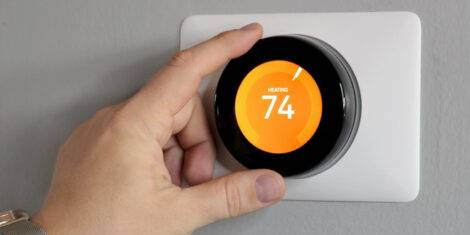
Preventive Measures to Maintain Calibration
- Regular Maintenance: Schedule regular maintenance checks for your HVAC system. This helps identify and resolve calibration issues before they become significant problems.
- Clean the Thermostat: Dust and dirt can affect the thermostat’s sensors. Clean the exterior regularly with a soft cloth and ensure the area around the thermostat is free from dust and debris.
- Keep it Level: Ensure your thermostat is mounted level on the wall, as an uneven installation can impact its accuracy. Use a level tool to check its position periodically.
- Avoid Heat Sources: Make sure your thermostat is not installed near heat sources such as lamps, direct sunlight, or appliances. These can cause false temperature readings.
- Battery Replacement: If your thermostat uses batteries, replace them annually or as needed. Low battery power can affect the thermostat’s performance.
- Monitor Performance: Keep an eye on your HVAC system’s performance. If you notice any irregularities, such as inconsistent temperatures or frequent cycling, it may be time to check the calibration.
By following these preventive measures, you can maintain your thermostat’s accuracy and ensure your HVAC system operates efficiently. For more comprehensive care, consider our AC maintenance services at Carey and Walsh Inc.
Conclusion
Calibrating your AC thermostat is a small yet crucial task that can significantly impact your home’s comfort and energy efficiency. Accurate temperature readings ensure your AC system operates efficiently, reduces energy costs, and maintains a comfortable indoor environment. Recognizing the signs that your thermostat needs calibration and knowing how to address it can prevent unnecessary wear and tear on your HVAC system.
While DIY calibration is possible, professional calibration offers precision, saves time, and ensures long-term performance. At Carey and Walsh Inc., we provide expert AC maintenance and repair services to keep your HVAC system running smoothly.
Don’t wait for small issues to become big problems. Contact us today to schedule a service and experience the benefits of a well-calibrated thermostat. Visit our service areas page to see if we serve your location, or contact us directly for more information.