


Learn how to make your home more energy-efficient, keep your family cozy, and save money this winter.
Glossary of Terms
- HVAC (Heating, Ventilation, and Air Conditioning): A system that provides heating, cooling, and indoor air quality control.
- Ductwork: A network of ducts that distribute heated or cooled air throughout your home.
- Insulation: Material used to slow the transfer of heat, keeping warm air inside during winter.
- Heat Loss: The transfer of heat from inside your home to the outdoors, often due to air leaks or poor insulation.
- Weatherstripping: Flexible material used to seal gaps around doors and windows, blocking drafts.
- Air Leaks: Unsealed cracks or gaps in your home or HVAC system where conditioned air escapes.
- Programmable Thermostat: A thermostat you can set to adjust temperatures automatically based on your schedule.
- Zoning System: An HVAC feature that allows you to control temperatures in specific areas of your home independently.
🔥 How to Prevent Heat Loss Through Your HVAC System
Heat loss through your HVAC system is a common problem that wastes energy and money. Here are practical steps to prevent it:
1. Seal Ductwork Leaks
- Why It’s Important: Ducts that are unsealed or poorly connected allow heated air to escape, wasting energy. Leaks can reduce heating efficiency by up to 30%.
- How to Fix: Inspect exposed ducts in basements, attics, or crawl spaces for visible gaps or tears. Use foil-backed tape or mastic sealant to close leaks and insulate ducts in unheated spaces.
💡 Pro Tip: Professional duct sealing ensures no hidden leaks go undetected. Schedule an inspection with Carey and Walsh Inc..
2. Improve Home Insulation
- Why It’s Important: Poor insulation is one of the biggest contributors to heat loss. Properly insulating your attic, walls, and floors can reduce heating costs by up to 50%.
- How to Fix:
- Upgrade attic insulation to an R-value of at least 38.
- Install spray foam, fiberglass, or cellulose insulation in walls and crawl spaces.
- Seal any gaps where utility pipes or wires enter your home.
3. Replace or Maintain Air Filters
- Why It’s Important: Dirty filters restrict airflow, making your HVAC system work harder to heat your home. This not only increases energy bills but also shortens the lifespan of your system.
- How to Fix: Replace filters every 1–3 months, especially during peak heating season.
👉 Regular maintenance ensures a clean, efficient system: Heater Maintenance.
4. Upgrade to a Smart or Programmable Thermostat
- Why It’s Important: These thermostats let you schedule temperature adjustments, ensuring efficient heating when you’re home and saving energy when you’re away.
- How to Fix: Install a smart thermostat that learns your habits or a programmable model that you can customize.
💡 Savings Tip: Lower your thermostat by 7–10°F for 8 hours a day to save up to 10% annually on heating costs.
5. Weatherproof Your Home
- Why It’s Important: Air leaks around doors, windows, and vents let warm air escape and allow cold air to enter, forcing your HVAC system to overwork.
- How to Fix:
- Apply caulk around windows and doors.
- Add weatherstripping to door frames.
- Use draft stoppers or insulated curtains for additional protection.
6. Schedule Routine HVAC Maintenance
- Why It’s Important: Annual maintenance keeps your system running at peak efficiency, identifies issues early, and prevents heat loss caused by malfunctioning components.
- How to Fix: Hire a trusted HVAC professional to inspect your system, clean components, and optimize performance.
👉 Book your HVAC maintenance with Carey and Walsh Inc..
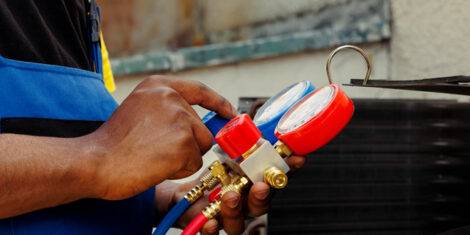
Key Steps to Prevent Heat Loss and Their Benefits
| Prevention Step | Benefits | Ease of Implementation |
| Sealing Duct Leaks | 20–30% reduction in heat loss | Moderate (DIY or professional) |
| Upgrading Insulation | Up to 50% energy savings | Moderate to Advanced |
| Replacing Air Filters | 5–15% boost in system efficiency | Easy (monthly task) |
| Installing a Smart Thermostat | 10% savings on heating costs | Easy (quick installation) |
| Weatherproofing Windows/Doors | Up to 20% reduction in drafts | Moderate (affordable upgrades) |
What Makes Heat Loss a Big Deal?
Preventing heat loss is more than just a cost-saving measure—it’s about preserving comfort, protecting your HVAC system, and reducing your environmental footprint. Here’s a closer look at why it matters:
- Financial Impact
- Heating accounts for nearly 50% of energy use in most households. Heat loss forces your HVAC system to run longer and harder, driving up your energy bills.
- Sealing leaks and improving insulation can save homeowners hundreds of dollars annually.
- Reduced Comfort
- Heat loss leads to uneven temperatures, with cold spots in some rooms while others remain warm. This makes your home less comfortable and forces family members to rely on space heaters or blankets.
- Increased Wear and Tear
- When your furnace or heat pump compensates for lost heat, it experiences more strain, shortening its lifespan and leading to more frequent repairs.
- Prolonged stress on your HVAC system can cause costly components like the blower motor or heat exchanger to fail prematurely.
- Environmental Concerns
- Inefficient heating systems contribute to higher carbon emissions, as more fuel or electricity is needed to compensate for lost heat.
- Reducing heat loss supports energy conservation efforts and helps protect the environment.
- Health and Safety
- Air leaks can introduce outdoor pollutants, allergens, or even dangerous fumes into your home.
- Proper sealing and maintenance prevent potential hazards like carbon monoxide leaks from a struggling HVAC system.
💡 Actionable Tip: Addressing heat loss not only reduces costs but also ensures a healthier, safer, and more comfortable living environment.
❄️ Fun Facts About HVAC and Heat Loss
- The average home loses 25–30% of its heat through poorly insulated windows and doors.
- Duct sealing can save the typical homeowner $200–$400 annually on energy bills.
- Smart thermostats can pay for themselves in energy savings within two years.
- Adding an extra layer of attic insulation can lower heating costs by 10–20%.
FAQ: Keeping Heat Inside Your Home
- What are the signs of heat loss in my home?
Drafts, cold spots, high energy bills, and uneven heating are all indicators. - Can I seal ductwork myself?
Yes, small gaps can be sealed with foil tape or mastic sealant. For larger issues, consult a professional. - How often should I replace air filters?
Every 1–3 months during heavy HVAC use. - What’s the best insulation for my attic?
Fiberglass or spray foam insulation with an R-value of 38 or higher is ideal for most climates. - Are there tax incentives for improving HVAC efficiency?
Yes, many upgrades like duct sealing or high-efficiency systems qualify for rebates or credits.
🌟 Do You Need HVAC Services? Take the Quiz!
- Is your home drafty or unevenly heated?
☐ Yes ☐ No - Are your energy bills higher than expected?
☐ Yes ☐ No - Have you noticed visible gaps in your ductwork or insulation?
☐ Yes ☐ No - Has it been more than a year since your last HVAC tune-up?
☐ Yes ☐ No - Does your HVAC system struggle to maintain consistent temperatures?
☐ Yes ☐ No
If you answered “Yes” to any of these questions, it’s time to schedule an inspection with Carey and Walsh Inc.!
🏡 Stay Warm and Save with Carey and Walsh Inc.
Heat loss can be costly and uncomfortable, but it doesn’t have to be. With over 75 years of experience, Carey and Walsh Inc. is here to help you maintain an efficient, cozy home all winter long.
👉 Contact us today to schedule maintenance, duct sealing, or an HVAC upgrade!