


Optimize your HVAC system this winter for comfort, efficiency, and savings!
Glossary of Terms
- HVAC (Heating, Ventilation, and Air Conditioning): A system that provides heating, cooling, and indoor air quality control.
- Energy Efficiency Rating (EER): A measure of how effectively a system uses energy. A higher EER means better efficiency.
- Programmable Thermostat: A thermostat that can be pre-set to adjust temperatures based on your schedule.
- Heat Exchanger: A component in your HVAC system that transfers heat to warm your home.
- Seasonal Energy Efficiency Ratio (SEER): A rating for cooling systems measuring efficiency across a cooling season.
- Insulation: Materials like fiberglass or foam that help retain heat inside your home during winter.
- Zoning System: An HVAC feature that allows you to control temperatures in specific areas of your home independently.
🔥 How to Save Energy While Staying Warm This Winter
Keeping your home warm during winter doesn’t have to drain your wallet. With some practical adjustments and smart HVAC management, you can achieve optimal comfort while cutting down on energy use. Here’s how:
1. Upgrade to a Programmable or Smart Thermostat
Smart thermostats adapt your HVAC settings to your lifestyle, ensuring that you’re not overheating your home unnecessarily.
2. Seal Air Leaks to Lock in Warmth
Small gaps in windows, doors, and ducts can lead to significant heat loss. Weatherproofing these areas is a quick and affordable way to improve efficiency.
3. Schedule Routine HVAC Maintenance
An annual tune-up ensures your heating system is running efficiently, extends its lifespan, and prevents costly repairs.
4. Optimize Your Heating Habits
Lower the thermostat a few degrees when you’re away or sleeping, layer up indoors, and close off unused rooms to focus heating where it’s needed.
5. Invest in High-Efficiency Systems
Upgrading to ENERGY STAR-rated heating systems with advanced features can slash energy bills by up to 40%.
👉 Learn more or schedule services with Carey and Walsh Inc.: Heating Services.
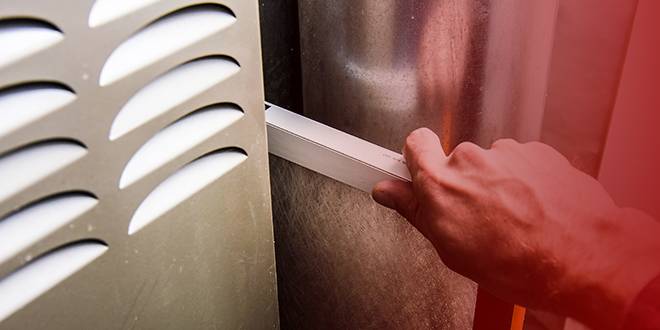
heating installation
Debunking Common Winter Heating Myths
Winter heating is surrounded by a lot of misconceptions that could lead to higher energy costs. Let’s clear up some of the most common myths:
- Myth: Cranking up the thermostat heats your home faster.
- Truth: Your HVAC system warms your home at a consistent rate, regardless of the thermostat setting. Raising the temperature only makes it run longer, not faster.
- Myth: Space heaters are cheaper than central heating.
- Truth: Space heaters can cost more in the long run if used excessively. They’re best for temporary, localized heating.
- Myth: Closing vents in unused rooms saves energy.
- Truth: This can actually harm efficiency by creating pressure imbalances in your HVAC system.
Costs of Ignoring HVAC Maintenance
Neglecting your HVAC system can lead to escalating costs and reduced efficiency. Here’s what could happen:
- Higher Energy Bills: Clogged filters and dirty components force your system to work harder, increasing energy use by up to 20%.
- Expensive Repairs: Small problems like worn belts or dirty burners can escalate into costly fixes if left unchecked.
- Premature System Failure: Without regular care, your heating system is likely to fail years earlier than its expected lifespan.
💡 Pro Tip: Prevent these problems with regular tune-ups from Carey and Walsh Inc.: Heater Maintenance.
Energy-Saving Data Table
| Energy-Saving Tip | Potential Annual Savings | Implementation Difficulty |
| Programmable Thermostat | Up to 10% | Easy |
| Sealing Air Leaks | Up to 20% | Moderate |
| Insulation Upgrades | Up to 50% | Moderate |
| Regular HVAC Maintenance | 5–15% | Easy |
| High-Efficiency HVAC Installation | 15–40% | Advanced |
❄️ Fun Facts About Winter Heating
- Heat pumps can work in temperatures as low as -13°F!
- The first residential heating system, called a hypocaust, was developed in Ancient Rome.
- Properly insulating your home can reduce energy use by up to 50%.
- Using a programmable thermostat saves enough energy annually to offset the carbon footprint of a cross-country flight!
FAQ: Your Winter HVAC Questions Answered
- How often should I replace my HVAC filter?
Every 1–3 months, depending on usage and filter type. Dirty filters reduce efficiency and strain your system. - Is it normal for my heater to make noise?
Noises like banging or squealing often signal issues like loose parts or airflow restrictions. Contact an expert. - Can closing vents in unused rooms improve heating efficiency?
Not always. In some systems, it can cause pressure imbalances, reducing efficiency. - What’s the lifespan of a typical heating system?
Most systems last 15–20 years with proper maintenance. After that, upgrading to a newer model may save energy and repair costs. - Are there tax credits for energy-efficient upgrades?
Yes! Many high-efficiency HVAC installations qualify for rebates and federal tax incentives.
👉 Need answers to more questions? Reach out to Carey and Walsh Inc.: Contact Us.

🌟 Do You Need HVAC Services? Take the Quiz!
Wondering if it’s time to invest in HVAC services? Answer these simple Yes/No questions:
- Is your heating system over 15 years old?
☐ Yes ☐ No - Are your energy bills unusually high this winter?
☐ Yes ☐ No - Do you notice uneven heating in different rooms?
☐ Yes ☐ No - Has it been more than a year since your last tune-up?
☐ Yes ☐ No - Is your thermostat outdated or hard to use?
☐ Yes ☐ No - Does your heating system make unusual noises or smells?
☐ Yes ☐ No
If you answered Yes to one or more of these questions, it’s time to contact Carey and Walsh Inc. for expert advice and service.
🏡 Stay Comfortable and Save with Carey and Walsh Inc.
Winter doesn’t have to mean sky-high energy bills. By implementing these tips, you can enjoy a warm, energy-efficient home all season long. If you need help optimizing your HVAC system, Carey and Walsh Inc. is here to help. From maintenance to upgrades, we’ve got you covered.
👉 Contact us today to schedule a service or learn more about energy-efficient options for your home.